Get Gas Line Capping
Gas line capping services help property owners safely stop gas flow during renovations, repairs, or emergencies by connecting with local contractors who specialize in this work.
Property owners considering gas line modifications or upgrades often explore capping services to ensure safety and compliance. Properly sealed gas lines can prevent leaks and provide peace of mind when making changes to a property’s utility setup. Whether preparing for renovations, installing new appliances, or decommissioning unused lines, understanding available options from nearby contractors can help inform planning efforts and ensure the work meets local standards.
Comparing local service providers can assist property owners in selecting the right expertise for their specific needs. Many local contractors specialize in gas line capping, offering practical solutions tailored to different types of properties and project requirements. Continuing to explore these options can help ensure the work is handled efficiently and effectively, providing confidence in the safety and integrity of the property’s gas infrastructure.
- Gas Line Capping - Needed when a gas line is no longer in use or requires temporary shutdown.
- Gas Line Abandonment - Required during property renovations or when removing outdated gas infrastructure.
- Gas Line Repair - Necessary if a leak or damage is detected in an existing gas line.
- Gas Line Inspection - Recommended before property transactions or following suspected line issues.
- Gas Line Replacement - Needed when existing piping is outdated, corroded, or no longer safe to use.
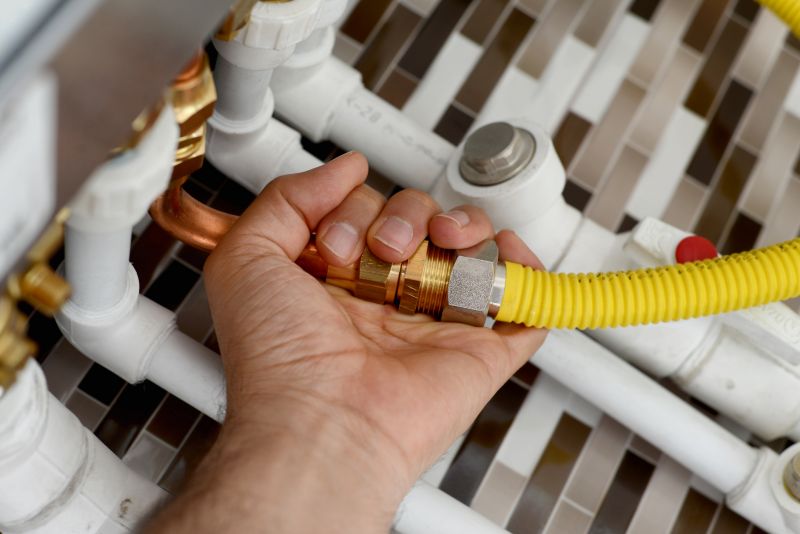
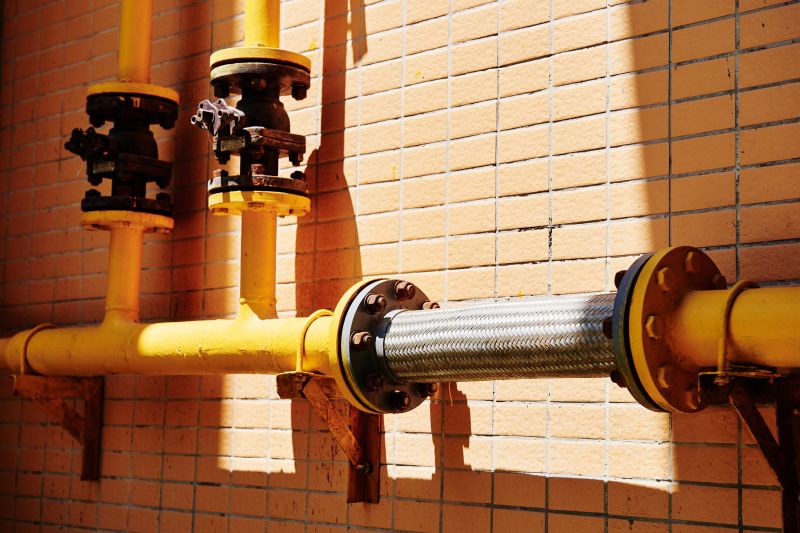
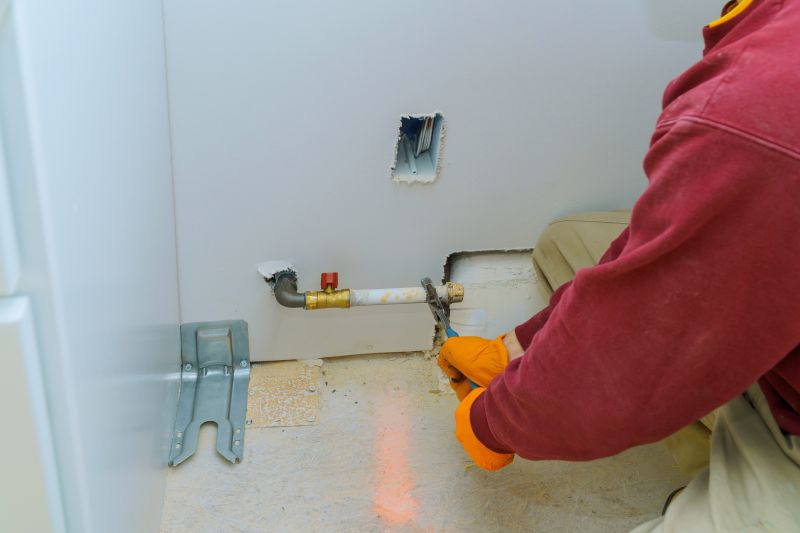
Gas line capping services involve safely sealing off unused or abandoned gas lines to prevent leaks and potential hazards. When a property no longer requires a gas connection-such as after renovations, conversions, or demolition-capping the line ensures that the gas supply is securely shut off at the point of entry or along the line. This process typically includes inspecting the existing gas line, removing any residual gas, and installing a sturdy cap to prevent leaks. Professional contractors use specialized tools and techniques to ensure that the cap is properly fitted and that the line is sealed according to safety standards.
This service helps address a variety of problems associated with unused or compromised gas lines. Leaking gas lines can pose serious safety risks, including fire hazards and health concerns from gas exposure. Additionally, abandoned or improperly capped lines may lead to gas leaks that are difficult to detect, increasing the risk of accidents. Gas line capping also helps property owners comply with local codes and regulations, especially when selling or renovating a property. Properly capped lines can prevent future issues and provide peace of mind that the gas system is secure and inactive.
Typically, gas line capping services are used by homeowners, property developers, and commercial property owners. Residential properties that undergo renovations, conversions, or demolitions often require gas lines to be safely sealed off. Similarly, properties that are being sold or transferred may need to have unused lines capped to meet safety and legal requirements. Commercial buildings, such as restaurants or industrial facilities, may also need this service when upgrading or decommissioning certain gas-powered equipment. In all cases, experienced local contractors can assess the situation and perform the necessary work efficiently and safely.
Choosing professional gas line capping services ensures that the job is done correctly and in accordance with safety standards. Local service providers have the expertise to handle different types of properties, from single-family homes to larger commercial sites. They can identify the location of gas lines, determine the best capping method, and ensure the work is completed properly to prevent leaks or future issues. Contacting a qualified contractor is a practical step for property owners who need to deactivate or secure gas lines, helping to maintain safety and compliance while avoiding potential hazards associated with unsealed gas infrastructure.
The overview below groups typical Gas Line Capping projects into broad ranges so you can see how smaller, mid-sized, and larger jobs often compare in your area.
In many markets, a large share of routine jobs stays in the lower and middle ranges, while only a smaller percentage of projects moves into the highest bands when the work is more complex or site conditions are harder than average.
Smaller Repairs - Typical costs for minor gas line capping jobs usually range from $250 to $600. Many routine repair projects fall within this middle range, depending on accessibility and specific site conditions.
Moderate Projects - For more involved capping work that requires partial disconnection or additional safety measures, costs generally range from $600 to $1,200. These projects are common for homes upgrading or removing gas appliances.
Larger, Complex Jobs - Larger projects, such as capping multiple lines or working in challenging locations, can range from $1,200 to $3,000 or more. Fewer projects push into this higher tier, often due to complexity or scope.
Full Replacement or Extensive Work - Complete removal and replacement of gas lines can cost $3,000 to $5,000+ depending on the size of the property and the extent of work needed. Such projects are less frequent and typically involve significant modifications to existing systems.
Actual totals will depend on details like access to the work area, the scope of the project, and the materials selected, so use these as general starting points rather than exact figures.
Gas Line Removal - professionals skilled in safely disconnecting and removing old or unused gas lines, a process that shares planning and safety considerations with gas line capping.
Gas Line Replacement - contractors experienced in installing new gas lines often have overlapping expertise with capping services, ensuring proper connections and safety protocols.
Underground Utility Capping - local service providers who cap or seal other underground utilities like water or sewer lines utilize similar excavation and safety techniques as gas line capping.
Plumbing Pipe Capping - plumbers who cap or seal off plumbing pipes for renovations or repairs use comparable skills in sealing and securing pipe ends.
Gas Line Inspection - inspectors or technicians assessing gas line integrity often work alongside capping specialists to ensure safety and compliance.
Excavation and Site Preparation - contractors preparing sites for utility work employ similar planning, excavation, and safety measures involved in gas line capping projects.
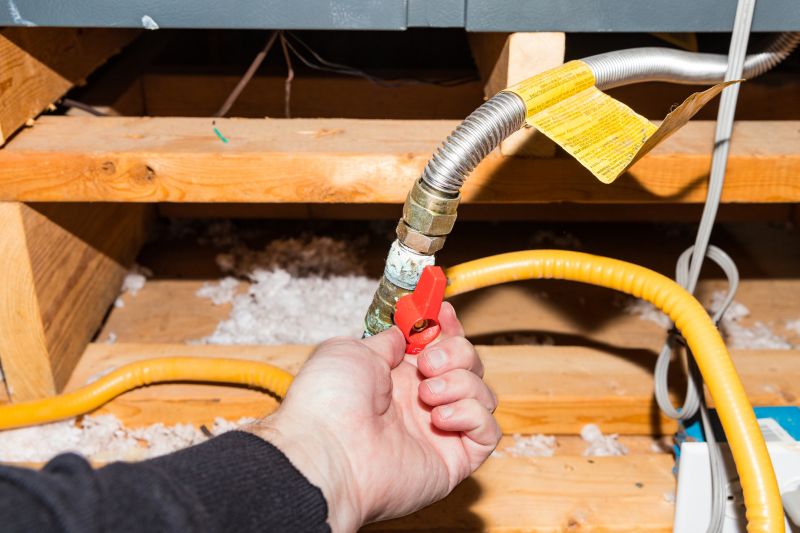
When comparing service providers for gas line capping, it’s important to consider their experience with similar projects. Homeowners should look for local contractors who have a proven track record in safely and effectively handling gas line terminations. Asking about past work that resembles the specific needs of the property can help gauge their familiarity with the process and potential challenges. An experienced professional is more likely to understand local codes and best practices, which can contribute to a smooth and reliable service.
Clear, written expectations are essential when selecting a contractor for gas line capping. Homeowners should seek providers who can offer detailed descriptions of the scope of work, materials to be used, and any necessary preparations or follow-up steps. Having this information in writing helps ensure mutual understanding and reduces the risk of misunderstandings. Transparent communication about what the project entails also allows homeowners to compare options more effectively and choose a provider that aligns with their needs.
Reputation and communication are key factors in choosing a dependable service provider. Homeowners should look for local contractors who can provide reputable references or reviews from previous clients, demonstrating consistent quality of work. Good communication-prompt responses, clarity in explanations, and openness to questions-can make the process more straightforward and less stressful. It’s important to remember that this site introduces homeowners to local options; it does not perform the work itself. Connecting with reputable, communicative professionals who have relevant experience can help ensure the project is completed successfully.
Property owners use Gas Line Capping services for practical projects around their homes and businesses. This guide focuses on everyday jobs and straightforward project options.
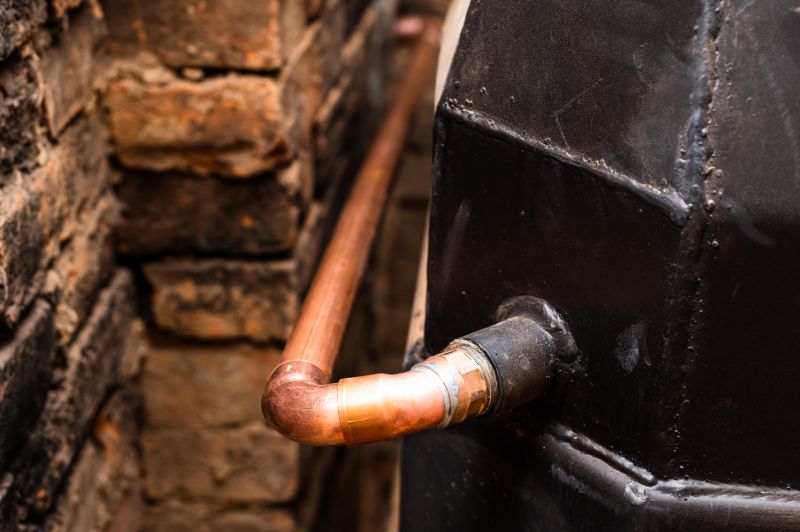
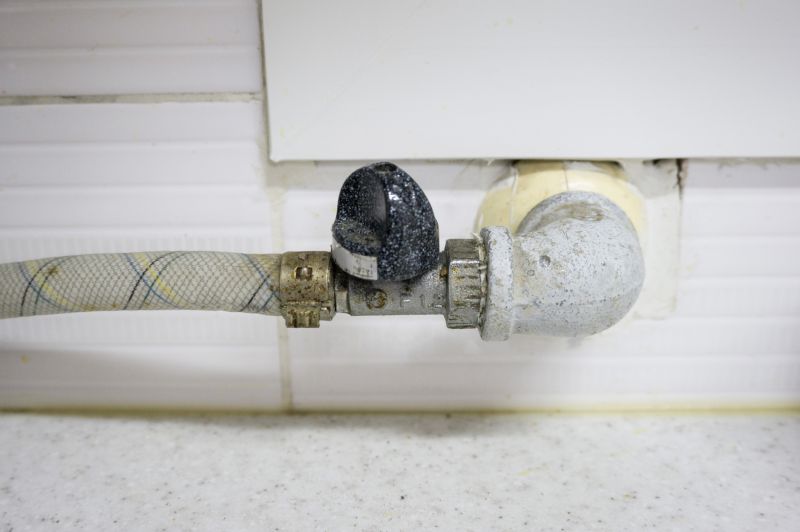
Gas line capping services are commonly needed when property owners are making upgrades, renovations, or preparing for new construction projects. For example, if a homeowner is removing an old appliance or appliance line, a local contractor can safely cap the existing gas line to prevent leaks or hazards. Similarly, those who are planning to sell or remodel a property might seek professional capping to ensure the gas system is properly shut off and secure, meeting safety standards and avoiding potential issues down the line.
Property owners may also look for gas line capping when dealing with abandoned or unused gas lines that are no longer in use but remain connected to the property. This can be important during property inspections, repairs, or when converting spaces for different uses. Local service providers are equipped to handle these situations efficiently, helping to ensure that gas lines are safely and properly sealed, reducing risks and maintaining compliance with local regulations.
What is gas line capping? Gas line capping involves sealing off an unused or unsafe gas line to prevent leaks and ensure safety in a property.
When should a gas line be capped? A gas line should be capped when it is no longer in use, such as during renovations, repairs, or property decommissioning.
How do local contractors handle gas line capping? Local service providers typically assess the line, ensure proper sealing, and follow safety standards to securely cap the gas line.
Is gas line capping a complex process? The process requires careful handling to prevent leaks or hazards, making it advisable to have a professional contractor perform the work.
Can gas line capping be combined with other services? Yes, many local contractors offer additional services like line removal or system inspections alongside capping.
Gas Line Capping for Renovations - When removing or modifying existing appliances or fixtures, property owners can have local contractors cap unused gas lines safely.
Preparing for Property Sale - Homeowners planning to sell can have gas lines capped to ensure safety and compliance during inspections and showings.
Preventing Gas Leaks - If a gas line is no longer in use, property owners can have local pros cap it to prevent potential leaks or hazards.
Emergency Gas Line Closure - In case of a gas line damage or emergency, property owners can contact local service providers to quickly and properly cap the line.
If you are thinking about Gas Line Capping for a property, this guide is meant to help you understand the work, the typical project types, and how different options might fit your plans.
When you are ready, you can use the quote form on this page to share a few details about your project. From there, local pros can review the basics and respond with options that match what you have in mind.